

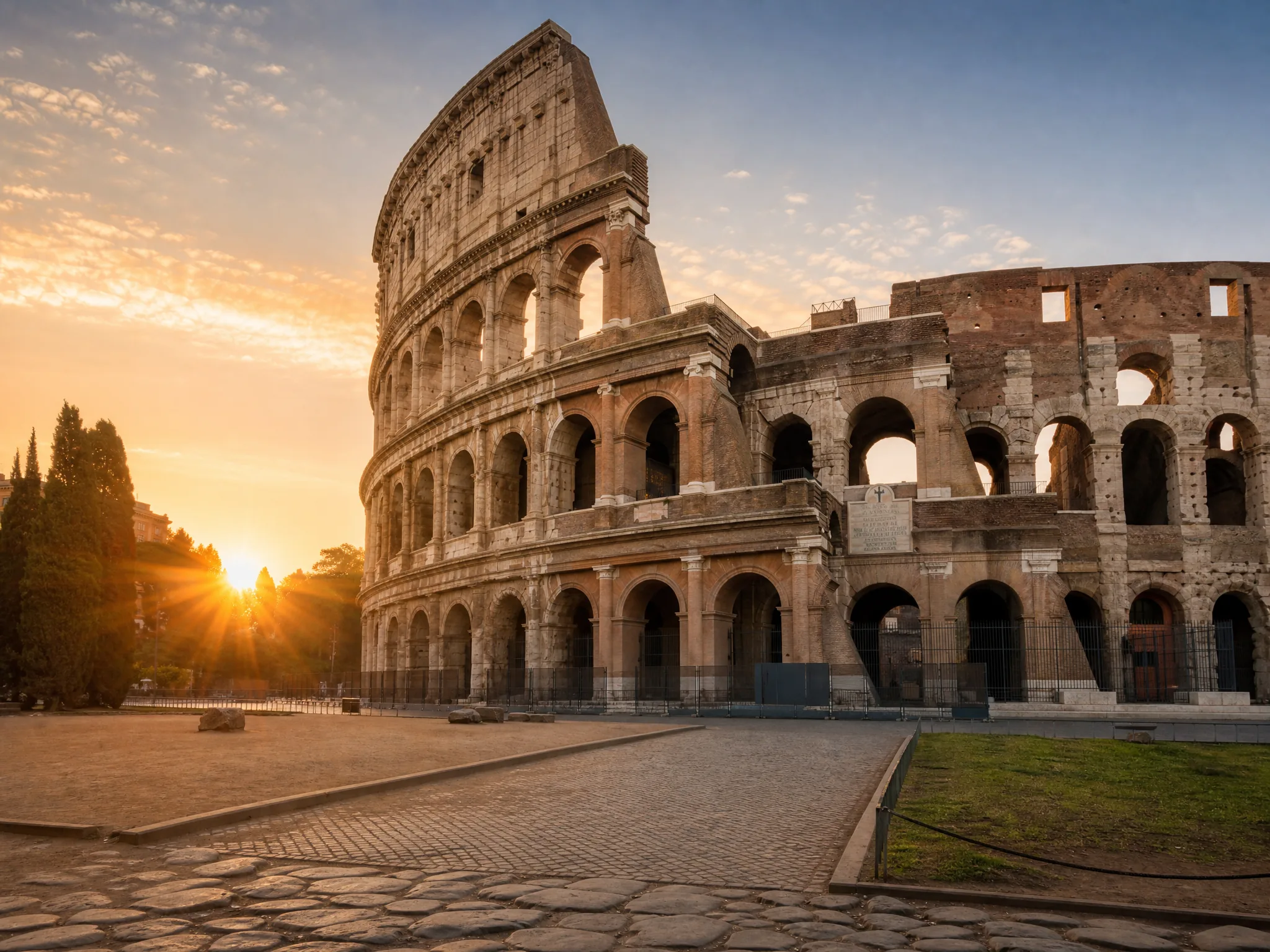
Rome in three hours fifty minutes
Direct flights Moscow–Rome. Aeroflot, S7, Alitalia ITA. Also to Milan (MXP, LIN), Venice (VCE), Catania. Turkish via IST — better value.
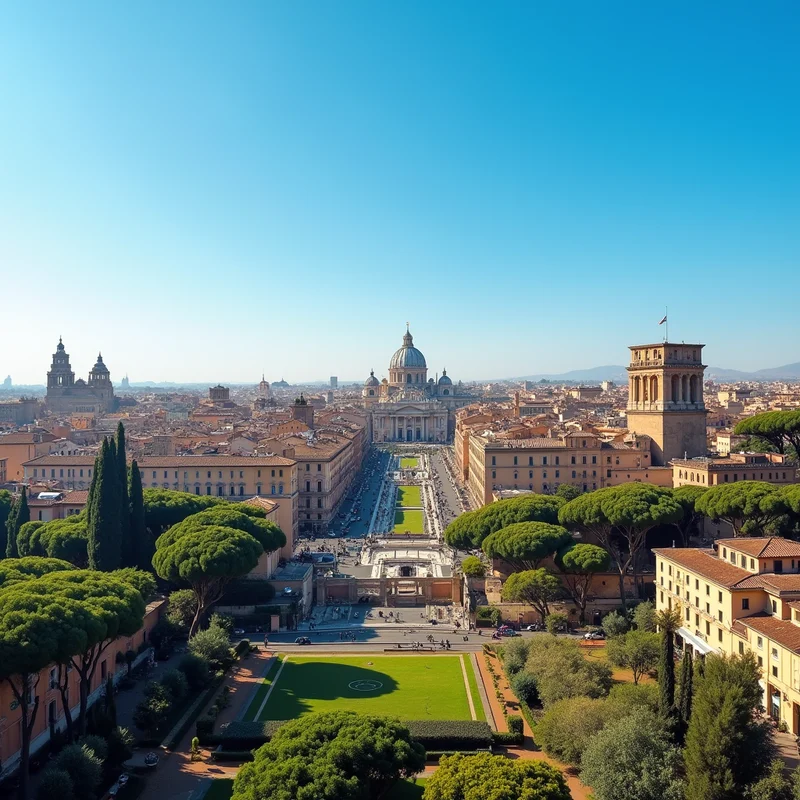
Not an open-air museum. A living country.
Best fares
Hotels in Italy, from Rome to Amalfi
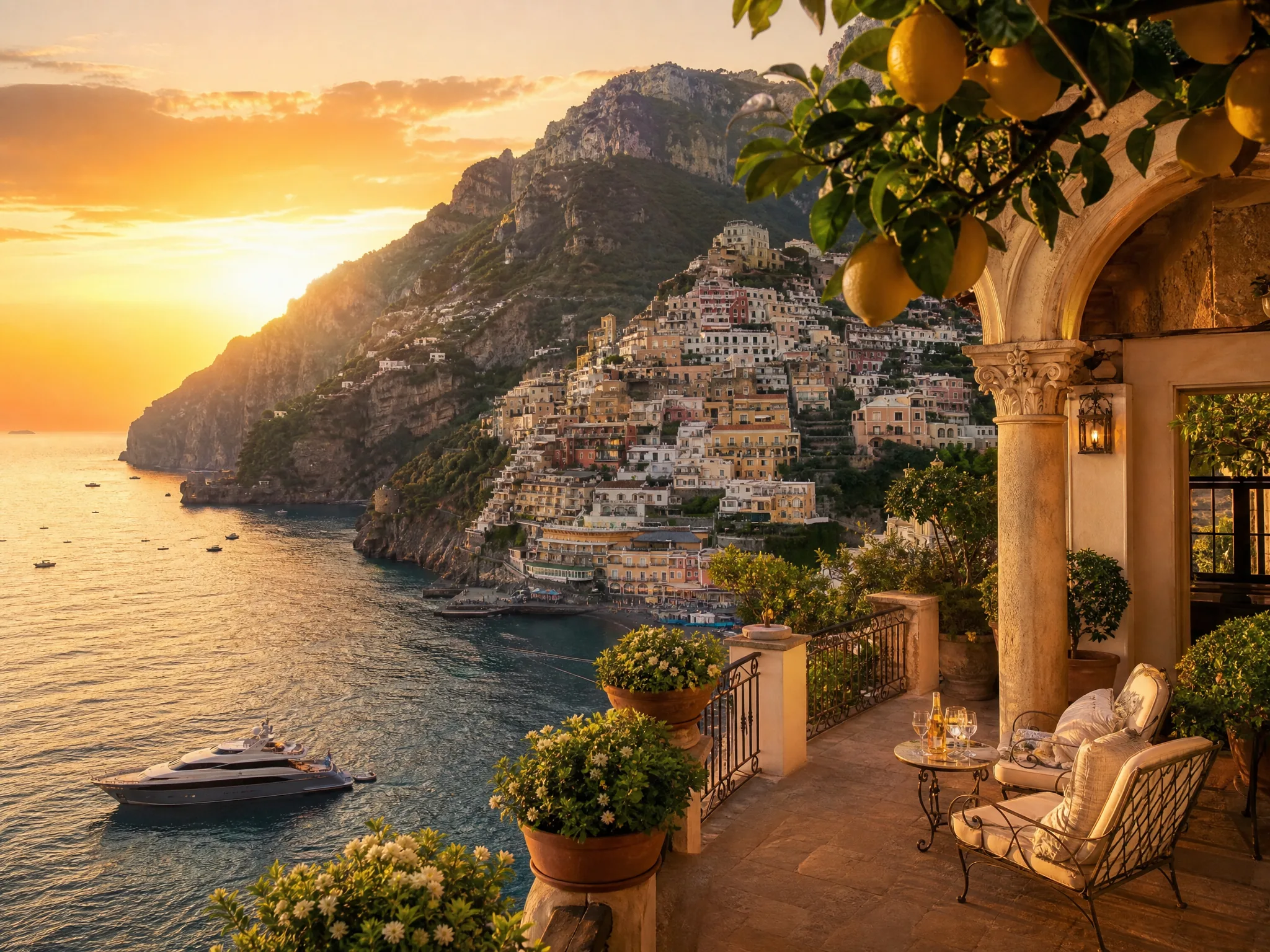
A palazzo in the heart of Rome, Florence boutique hotels and villas overlooking the Amalfi Coast.
Cities and regions of Italy
When to go to Italy
April–May and September–October are ideal. July–August bring heat and crowds. December — Christmas markets.
Curated tours to Italy
What you need to know before you go
Schengen visa
Via VFS Global (Italian visa centre). Documents: application, passport, photo, hotel booking, flight tickets, bank statement. Processing time — 5–15 working days. Sales.Travel can assist.
Money
Russian bank Visa/Mastercard cards do not work. Bring cash euros or UnionPay. Intesa Sanpaolo and UniCredit ATMs available. Some restaurants accept cash only.
Transport
Trenitalia and Italo — high-speed trains. Rome–Florence 1.5 h, Rome–Venice 3.5 h. Car rental — ideal for Tuscany and Amalfi. No car needed in city centres.
Connectivity
Sales.Travel eSIM — from 4 € per week, QR activation. Current plans on the eSIM page. Roaming across Europe. 4G coverage nationwide, 3G in the mountains.
Must-try experiences
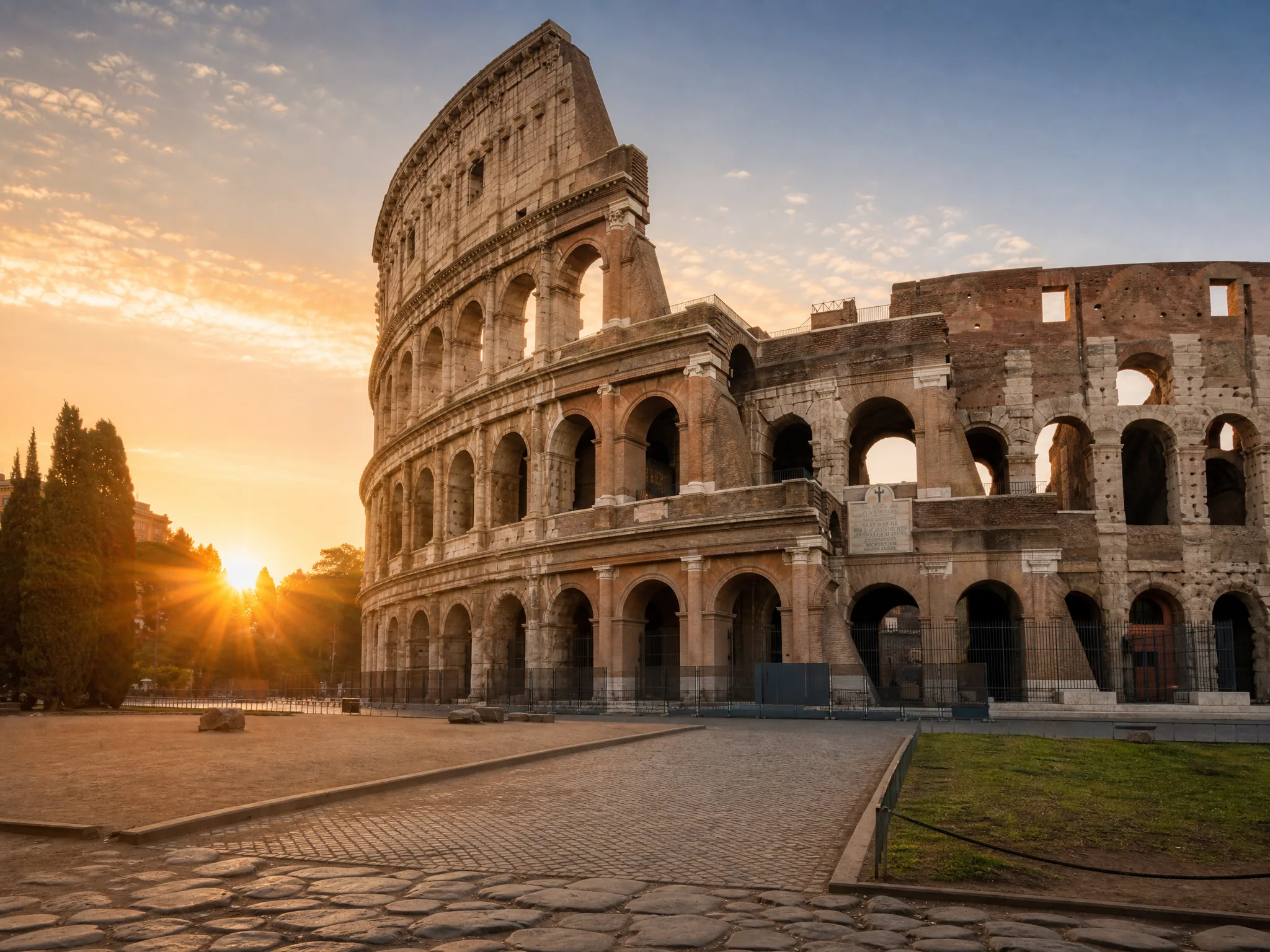
Opens at 9:00. The first hour — almost empty. Ticket includes Colosseum + Forum + Palatine. Book online a week ahead.
Built 72–80 AD with seating for 50,000 — the largest amphitheatre of the ancient world, and still. Arrive exactly at 9:00 opening: the first 40–60 minutes the arena is nearly empty, the light is soft, the photos extraordinary. One ticket (18–22 EUR) covers the Colosseum, Roman Forum and Palatine Hill — allow a full day. Book online at least a week ahead: queues on-site stretch to 2–3 hours.
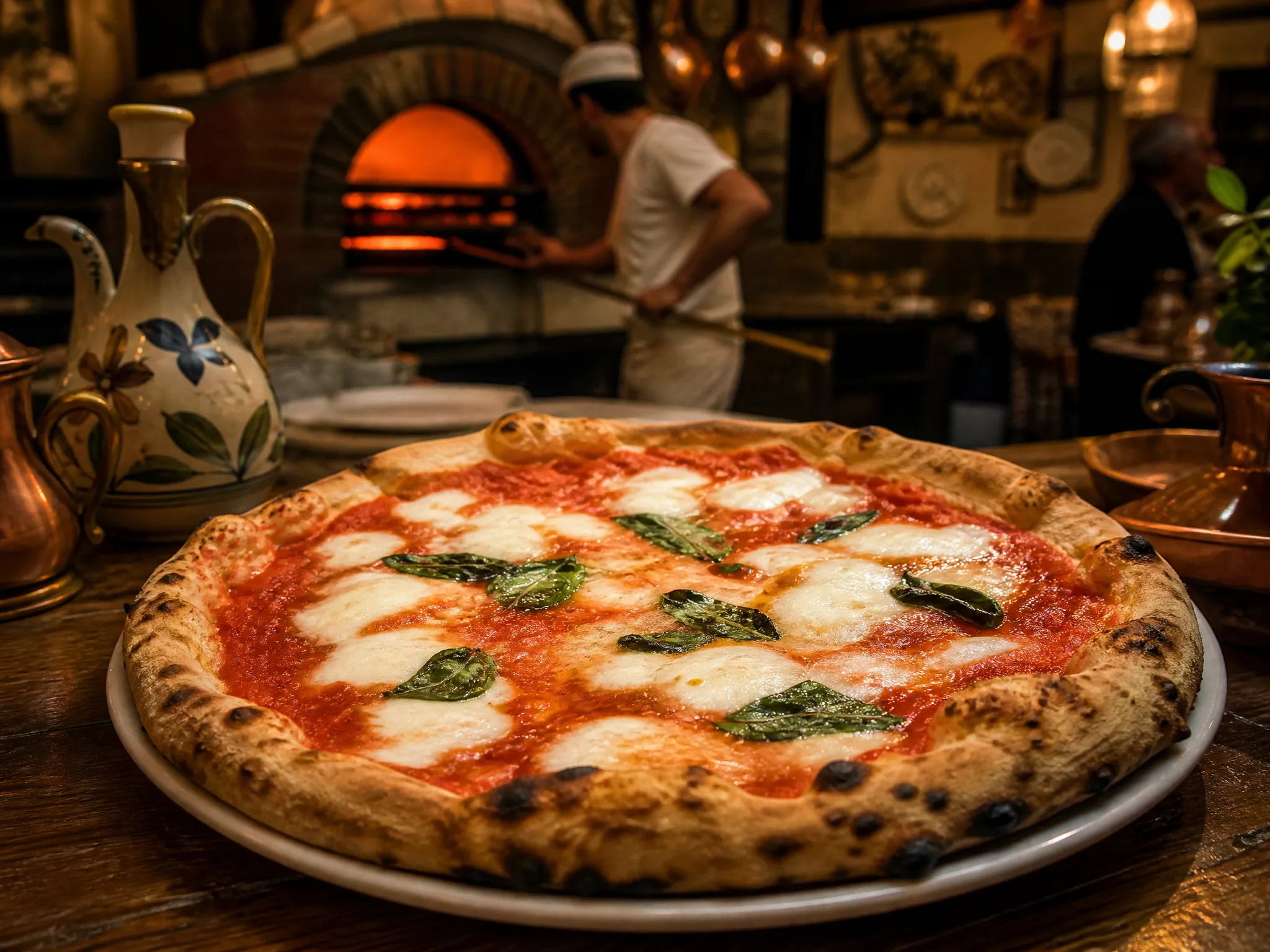
Pizzeria Da Michele — the only one in the world, only Margherita and Marinara. Queue 30–40 minutes. The result — the best pizza of your life. 5 EUR.
Naples is the birthplace of pizza, and here it is fundamentally different: thin dough, a soft, blistered centre from a wood-fired 485°C oven, San Marzano tomatoes and buffalo mozzarella. L'Antica Pizzeria da Michele — open since 1870, two types: Margherita and Marinara, price around 5 EUR. Queue 30–40 minutes, but it's part of the experience. Skip the queue at Sorbillo on Via dei Tribunali — equally good.
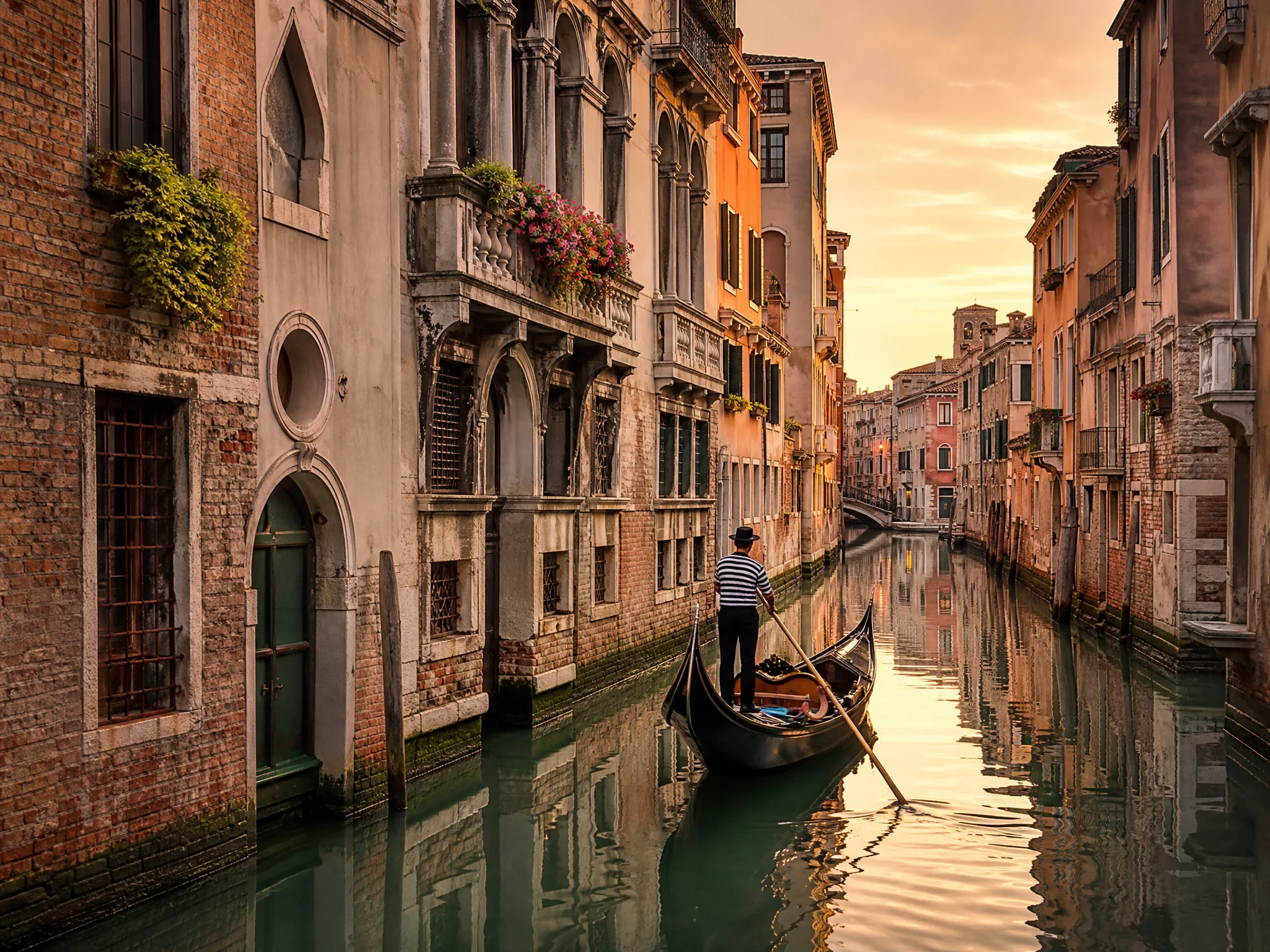
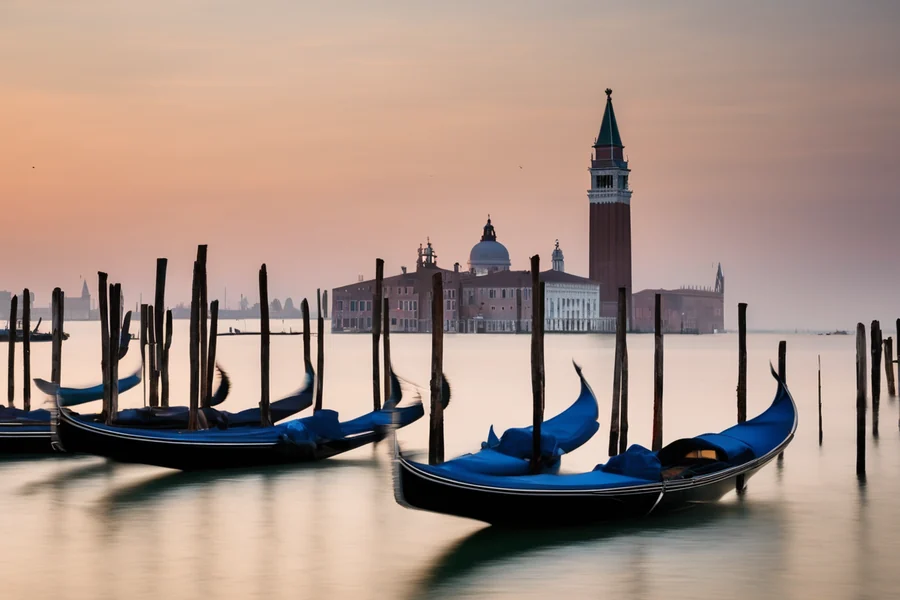
Official rate 80 EUR/30 min. Bargaining is futile. Best route — the small canals of Dorsoduro, not the Grand Canal.
Fixed rate — 80 EUR for 30 minutes during the day, 100 EUR after 19:00. Haggling is not accepted: rates are regulated by the city tariff. Ask your gondolier to avoid the Grand Canal with its crowds of vaporetti and instead thread the narrow canals of Dorsoduro or Cannaregio — quiet, buildings hanging over the water, no other tourists. Best time — early evening: golden light, fewer crowds.
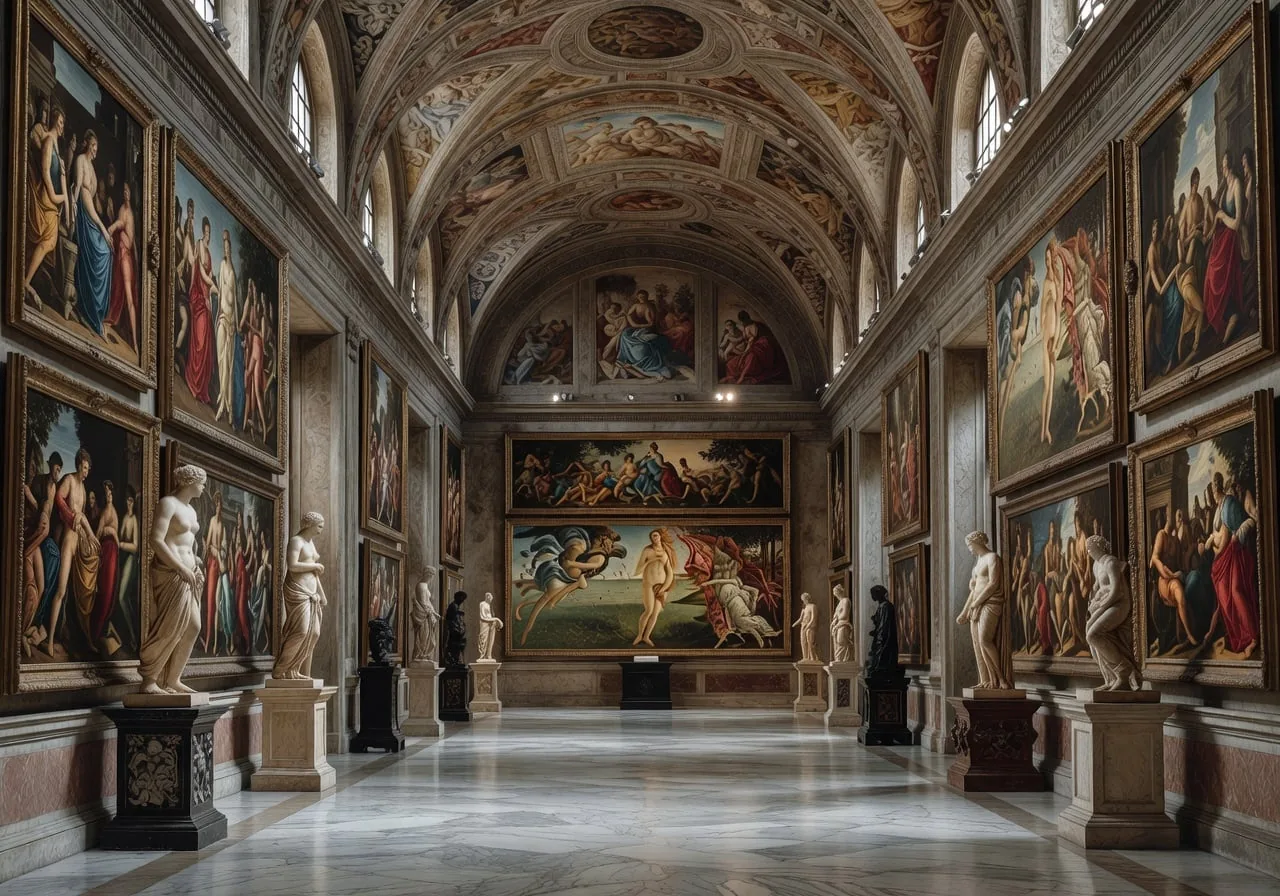
Botticelli's 'Birth of Venus', Leonardo, Raphael. Book tickets online — queues 3–4 hours. Arrive at 9:00.
One of the greatest art museums in the world — 45 rooms of Renaissance painting in the former Medici administrative building. Here hangs Botticelli's original 'Birth of Venus', Leonardo's 'Annunciation' and Raphael's 'Madonna of the Goldfinch'. Book tickets online in advance: the on-site queue stretches 3–4 hours even on a weekday. Allow at least 3 hours for viewing.
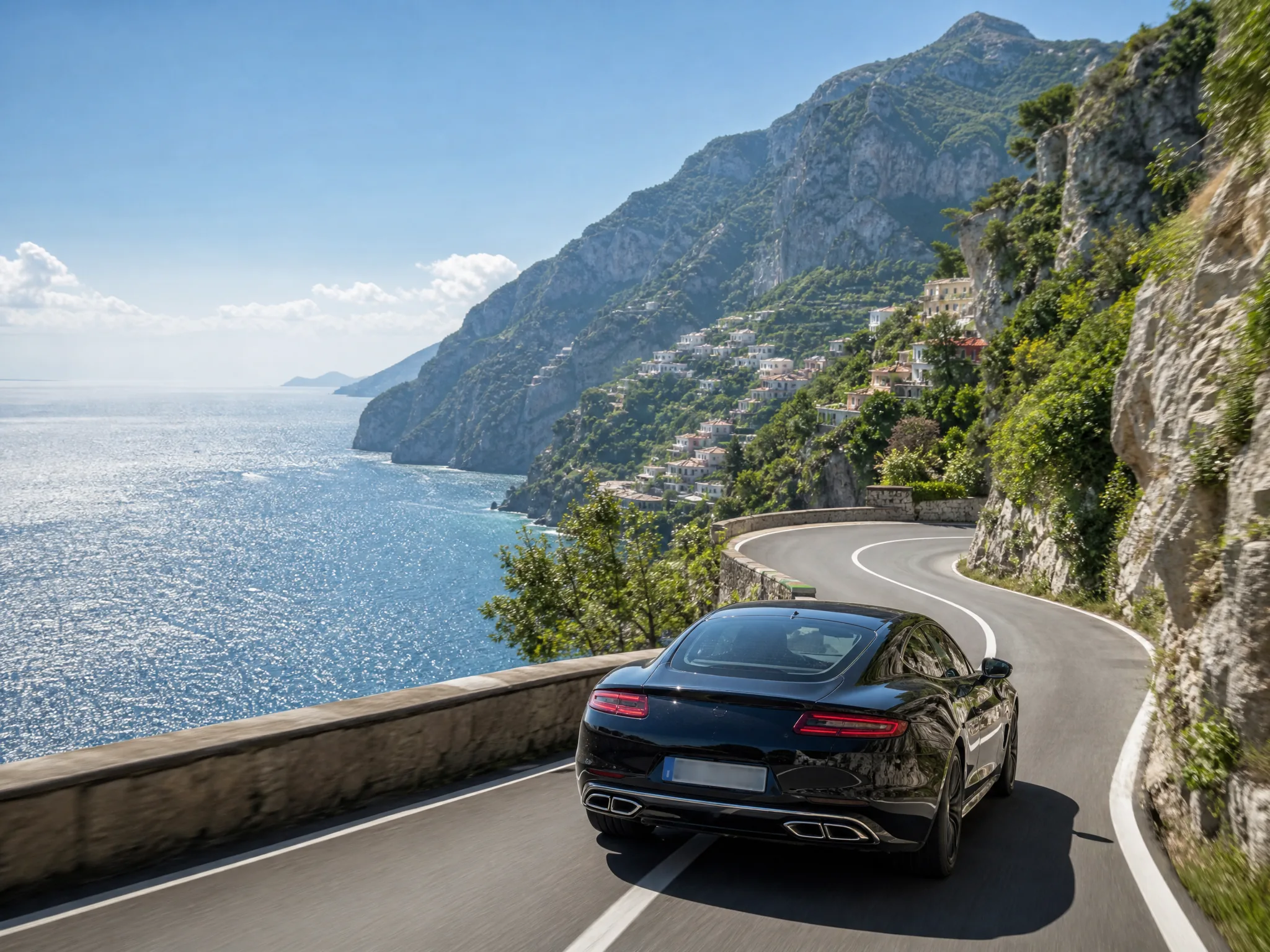
50 km along cliffs above the sea. Positano, Amalfi, Ravello. Rent a car or take the SITA bus. Leave in the morning — by midday, traffic jams.
50 kilometres of serpentine road on sheer cliffs above the Tyrrhenian Sea — one of the most beautiful drives in Europe. Three mandatory stops: Positano with multi-coloured houses cascading down hillsides, medieval Amalfi with its cathedral, Ravello with the gardens of Villa Rufolo above the clouds. Depart before 9:00: by noon the narrow road is paralysed by tourist buses. SITA bus — 2–3 EUR, a rental car — freedom of route.
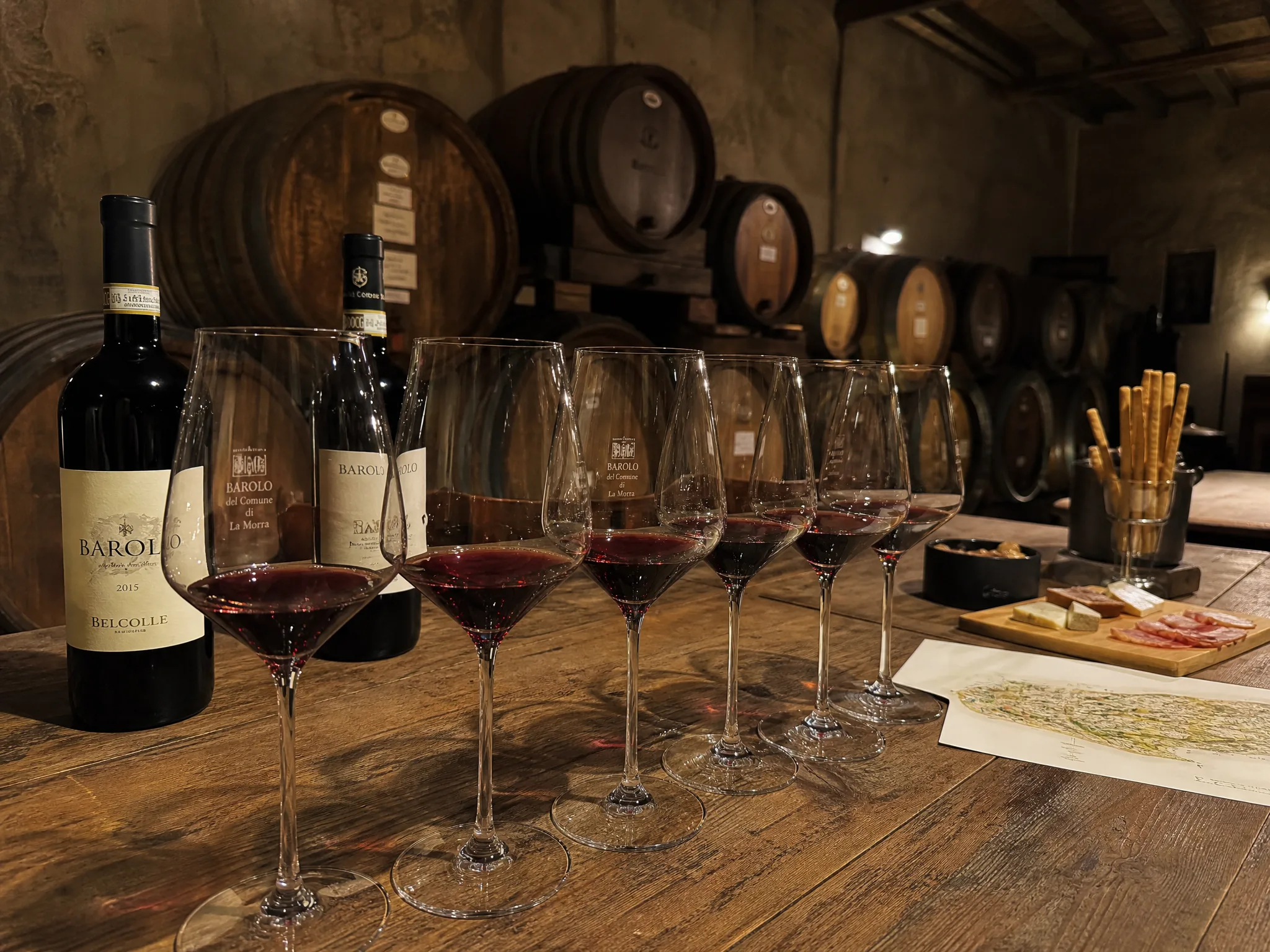
Piedmont, La Morra village. Tasting at small cantinas from producers — 15–25 EUR. Vietti, Giacomo Conterno, Gaja — legends of the region.
Barolo is called 'the king of Italian wines' — minimum 3 years' ageing in oak barrels, terroir of the Langhe hills in Piedmont. The best way to experience it — visit the village of La Morra or Barolo and call directly on a small producer: tasting of 4–6 wines costs 15–25 EUR, often with vineyard views. Book ahead at Vietti, Elvio Cogno or Roberto Voerzio — it's another level.
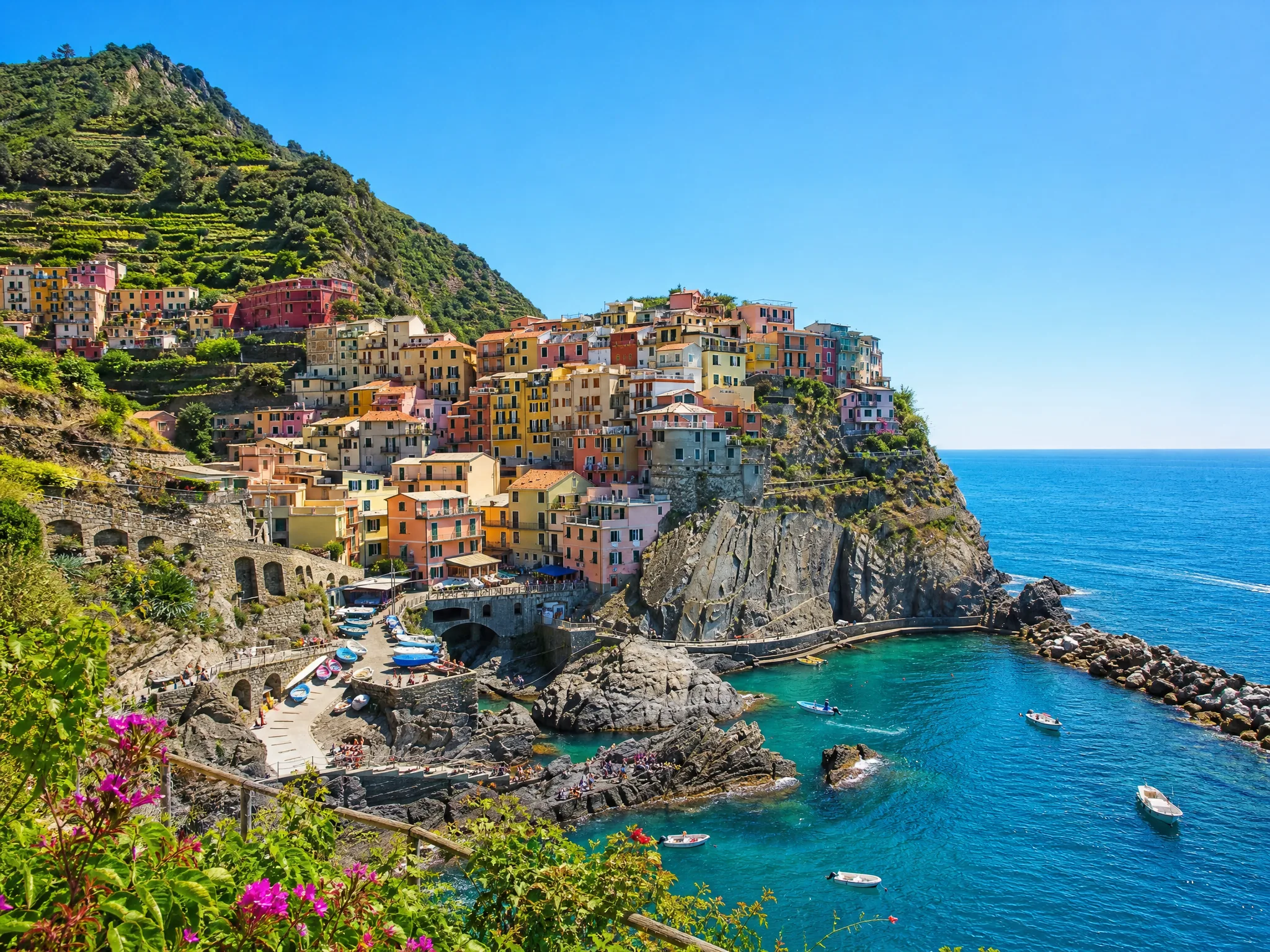
Five colourful villages clinging to Ligurian cliffs. Hiking trail between them — 12 km. Best view — from Corniglia. Visit on weekdays.
Five villages — Monterosso, Vernazza, Corniglia, Manarola, Riomaggiore — strung along cliffs above the Ligurian Sea. The Via dell'Amore hiking trail links all five — about 12 km, takes a full day. Best sunset view — from Corniglia. Arrive on a weekday morning: summer weekends become a scrum. Park pass (7.5 EUR) grants access to trails; village entry is free.
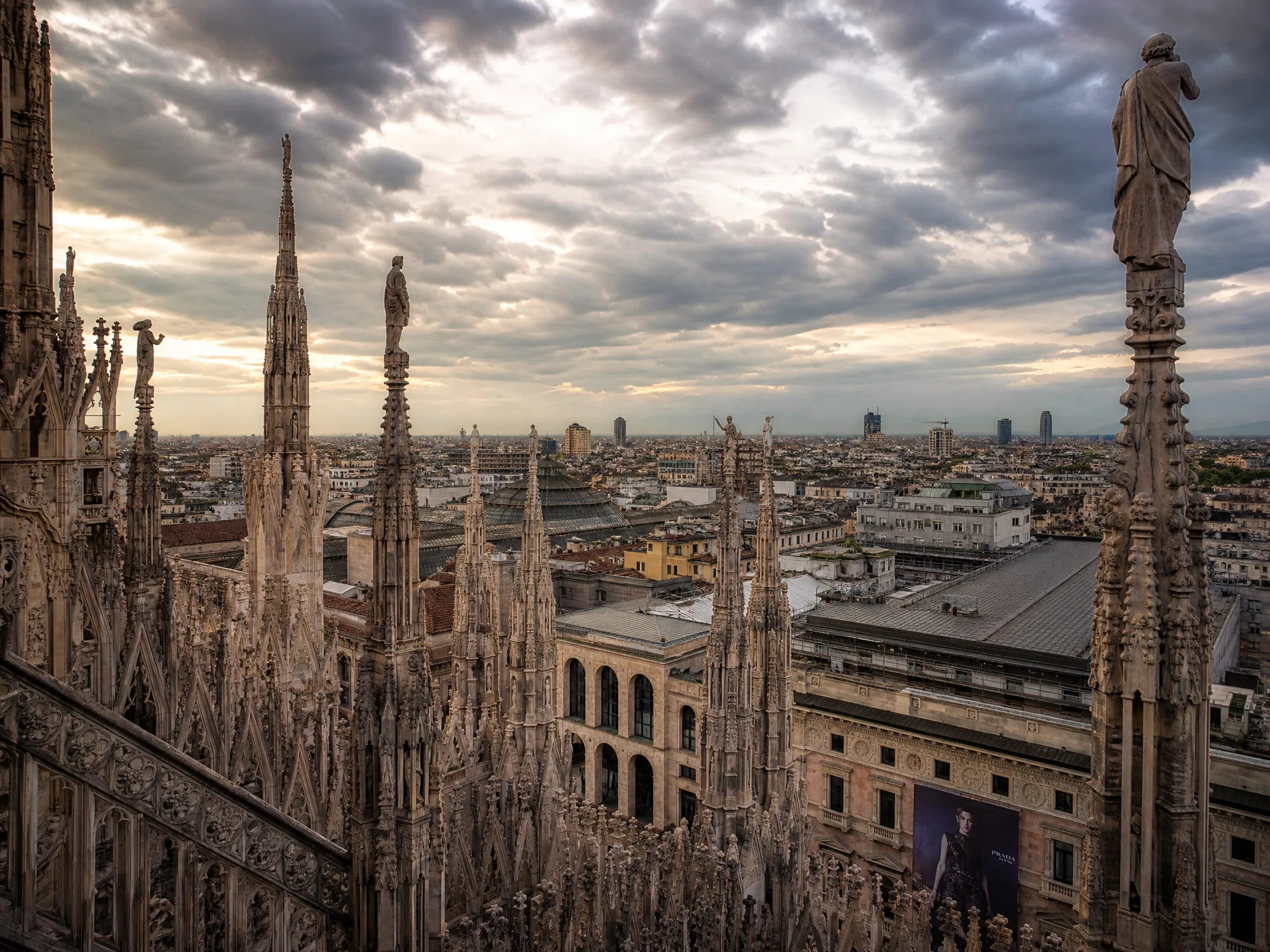
Duomo di Milano — rooftop with 135 spires above the city. Ascent to the roof — 13 EUR. Inside the cathedral — 13th-century frescoes. The square in front — vibrant.
Six centuries in the making — from 1386 to 1965 — and now the third-largest Gothic cathedral in the world. The main attraction — the rooftop with 135 marble spires: lift ascent 13 EUR, stairs 9 EUR. On a clear day you can see the Alps. Inside — 14th-century stained glass and a wooden choir from Leonardo da Vinci's era. The square before the cathedral — Milan's finest spot for an Aperol at sunset.
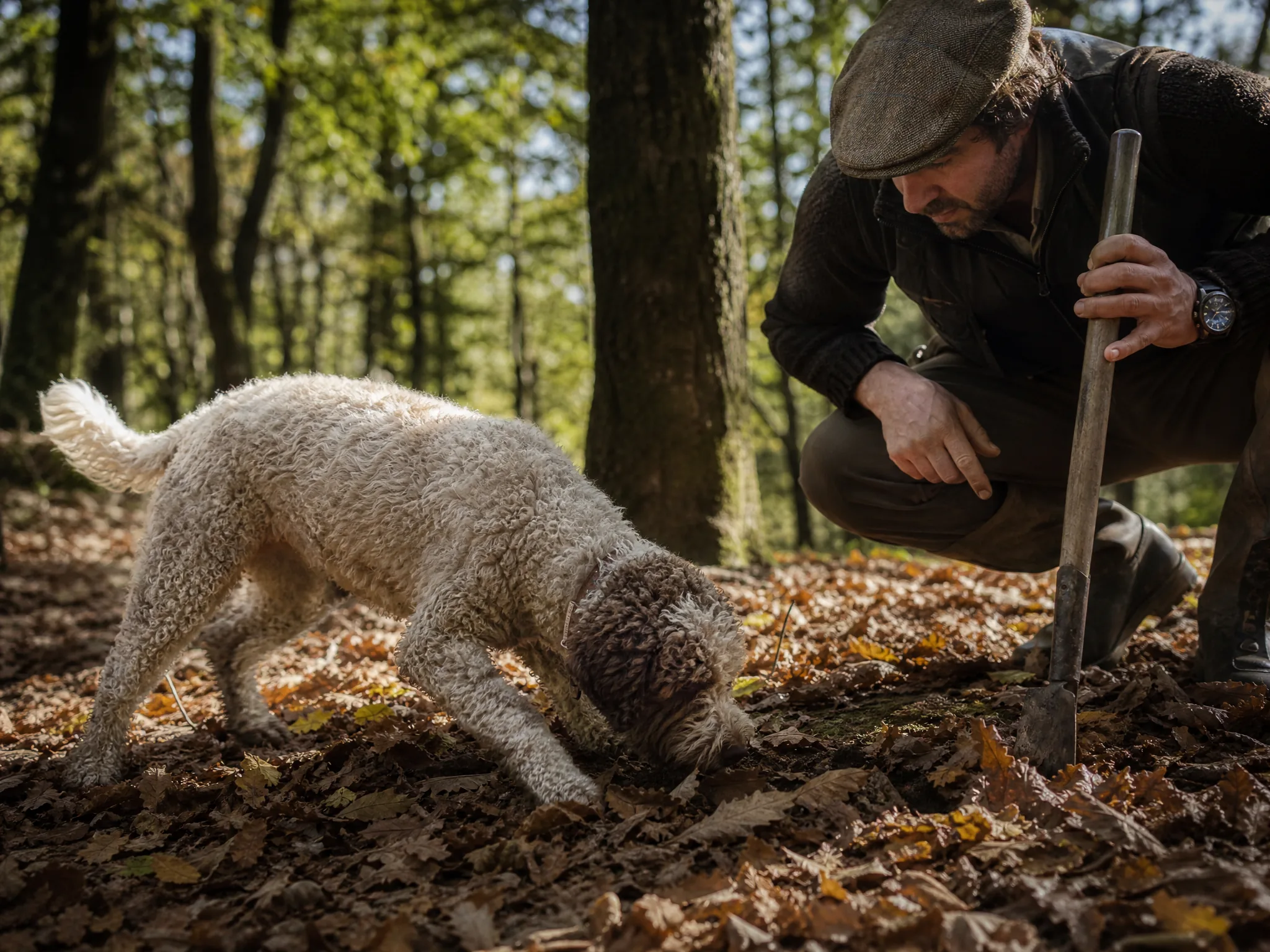
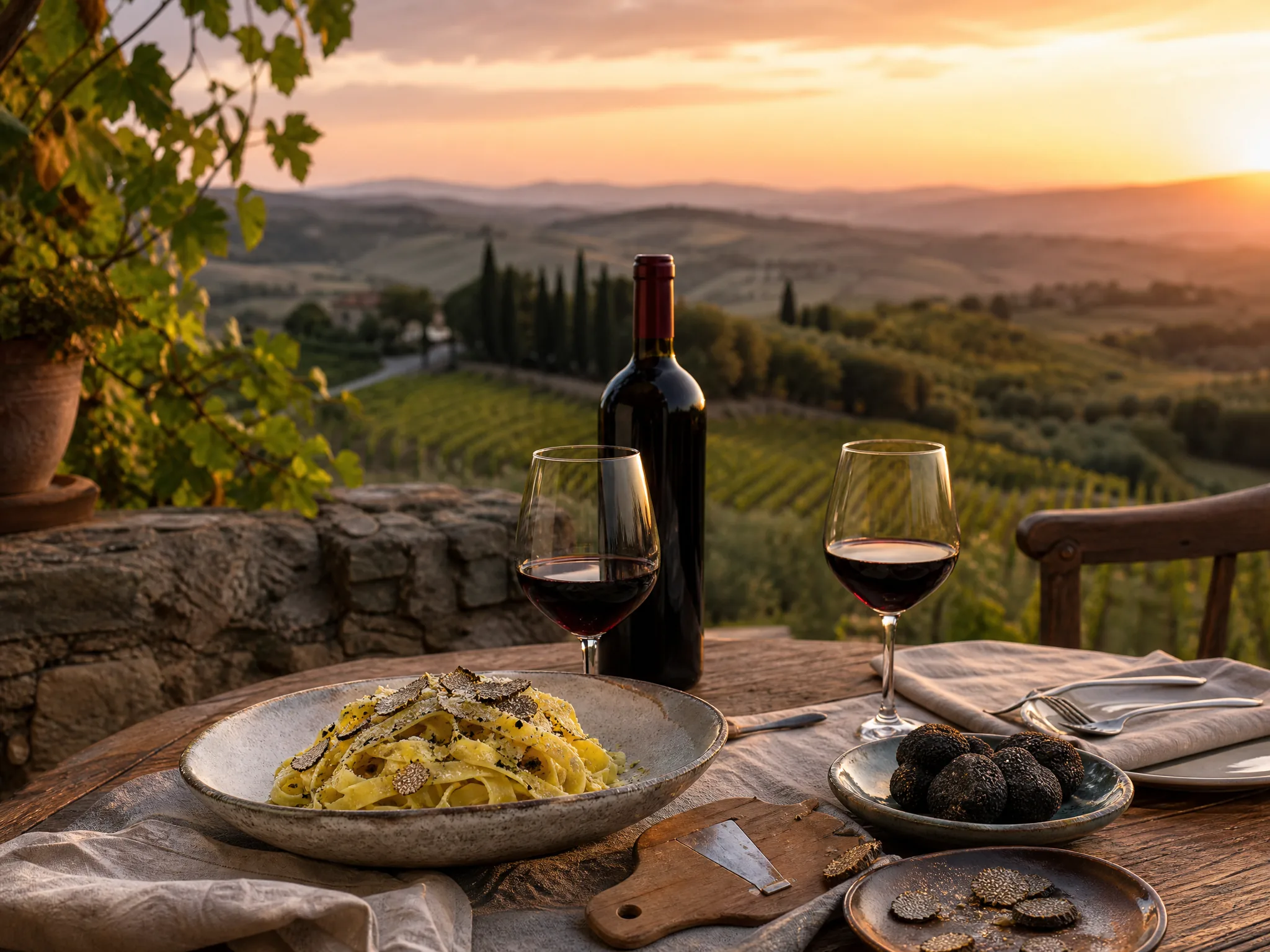
September–December — white truffle season. Tour with truffle dog in San Miniato: hunting, cleaning, tasting with pasta.
White truffle from San Miniato — one of the world's most expensive ingredients: up to 3,000 EUR per kilogram at peak season. A tour with a truffle hunter and his dog lasts 2–3 hours: walk through oak forest, searching, unearthing, cleaning and a final tasting with fresh pasta and local wine. Season: white truffle — September–December, black truffle — January–March. Book with local agriturismi at least a week ahead.