


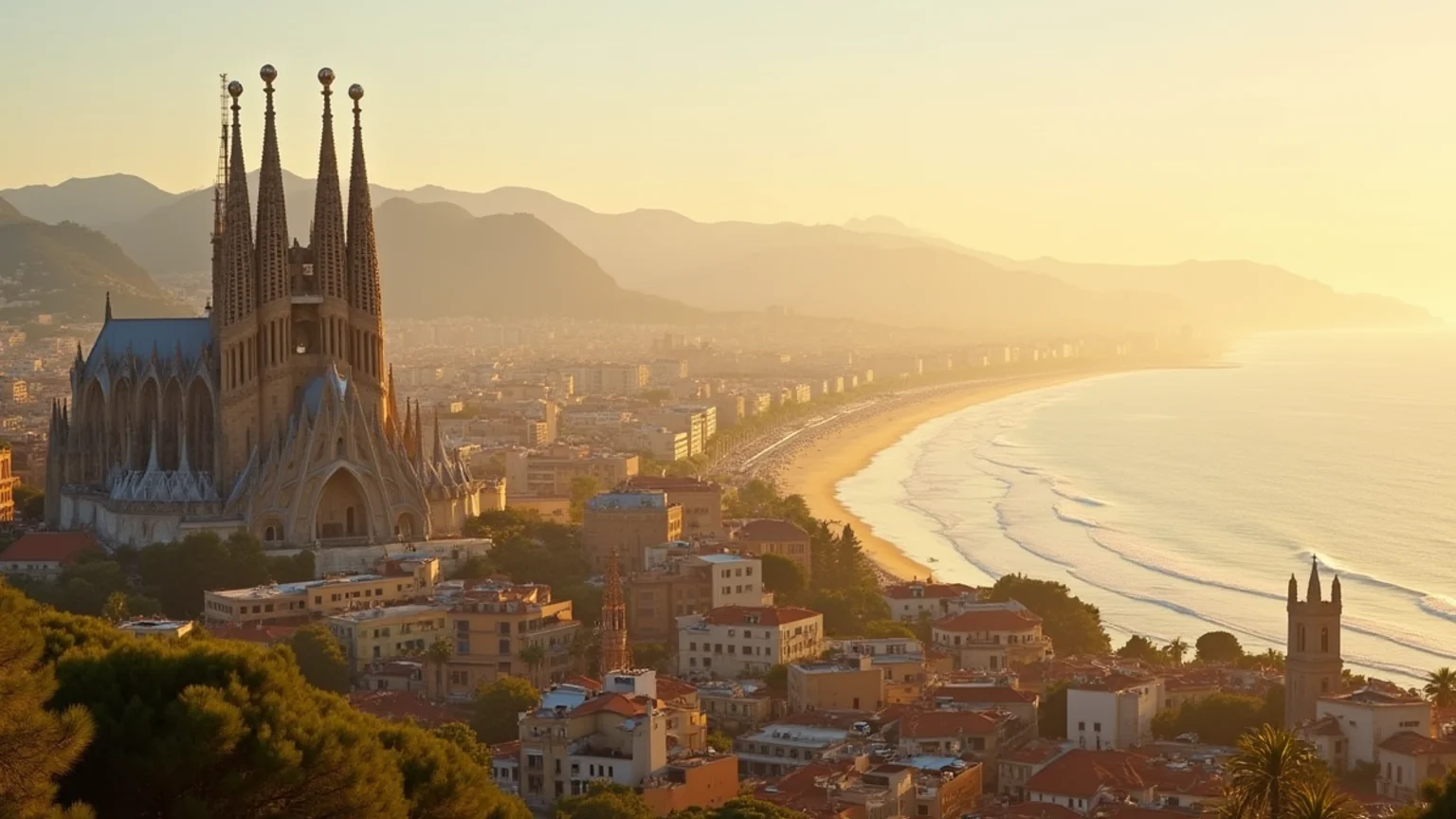
Convenient connections via Istanbul and Belgrade
There are no direct flights from Russia to Spain at present, but convenient connections take from 9 hours. The fastest are Turkish Airlines via Istanbul and Air Serbia via Belgrade, with short layovers and through baggage.
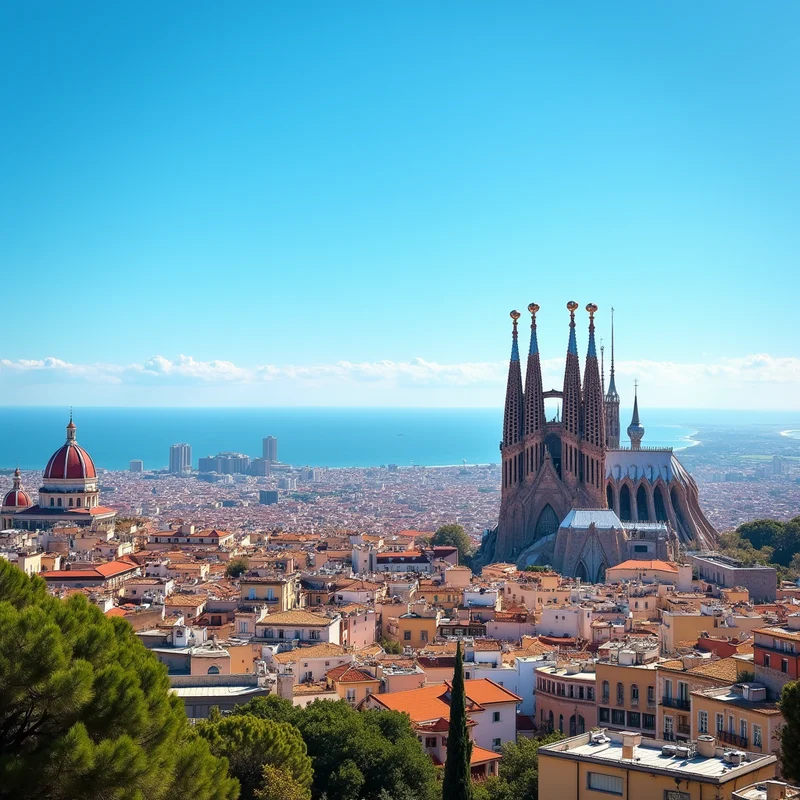
Not Turkey, not Emirates. European classic.
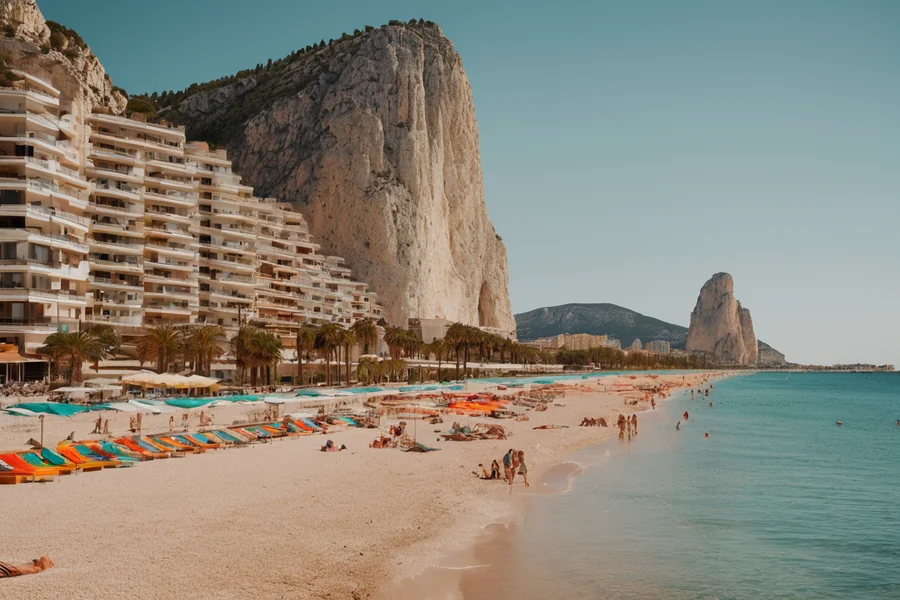
Best fares
Hotels in Spain, vetted by our guests
Three options in each segment — from apartments in Barcelona's Gothic Quarter to a Costa Brava villa with sea views.
Regions for different needs
When to fly to Spain
Best season on the coast is May–June and September–October: warm, the sea is warm, without July crowds.
Ready-made tours to Spain
What you need to know before you go
Schengen visa
Russian citizens need a Schengen visa type C. Spain accepts applications via BLS visa centres in Moscow, St. Petersburg and the regions. Processing from 9 working days; requires hotel and flight bookings, medical insurance and financial guarantees. Sales.Travel helps assemble the full package.
Money and cards
Currency is the euro. Russian Visa, Mastercard and Mir cards do not work in Spain. Take euro cash and a UnionPay card (accepted in limited locations). Best to arrange a card from a friendly-country bank in advance.
Transport
High-speed Renfe AVE trains: Barcelona – Madrid in 2 h 30 m. Metro in cities from €2.40, taxi and Cabify app. Car hire from €35/day — convenient for Andalusia and Costa Brava.
Connectivity and eSIM
WhatsApp and Telegram work freely. Sales.Travel eSIM — from 4 € per week, QR activation. Current plans on the eSIM page. 4G/5G coverage by Movistar and Orange — nationwide and on the islands.
Must-try experiences
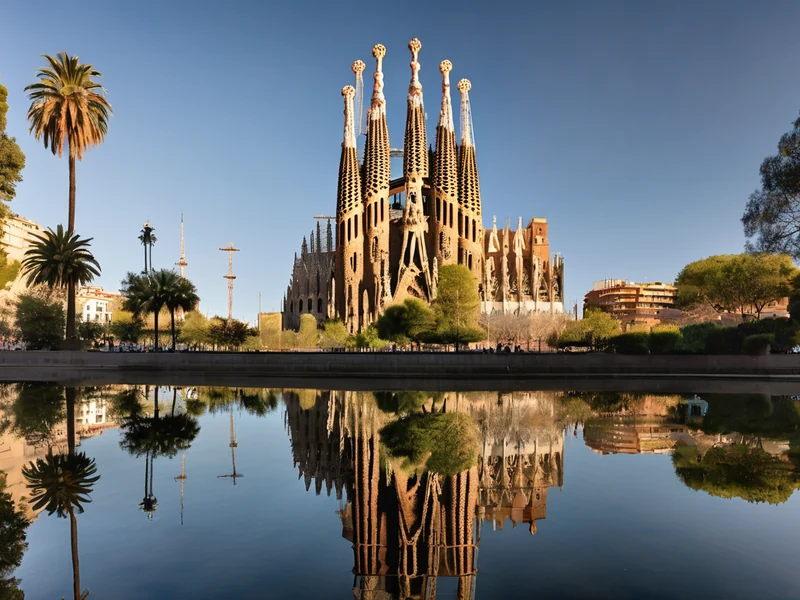
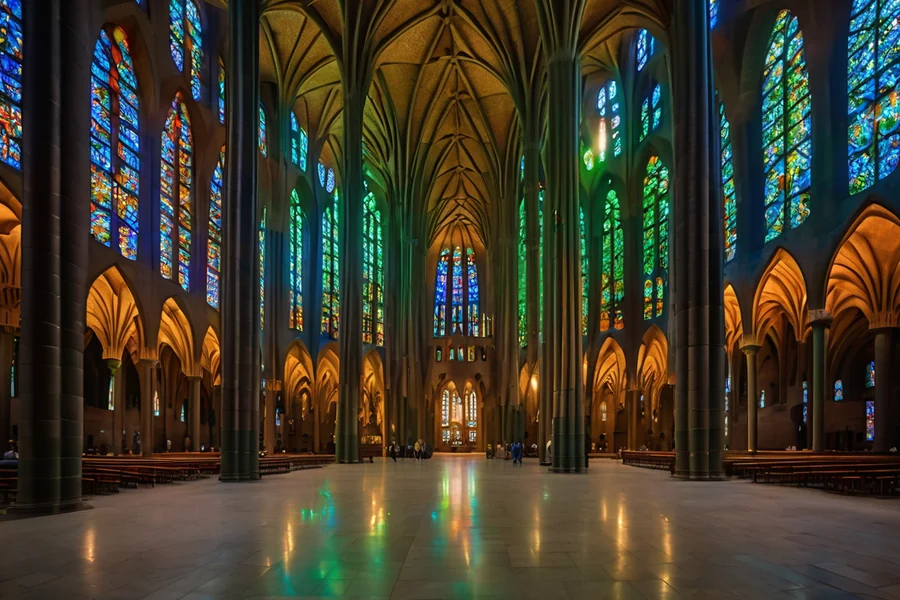
Gaudí's masterpiece basilica in Barcelona. Tickets with tower access sell out weeks in advance.
The basilica has been under construction since 1882 and remains unfinished — it is Barcelona's main symbol and a UNESCO site. Basic ticket €26, with tower access €36, audio guide included. Book online at sagradafamilia.org at least 2–3 weeks ahead: tower slots sell out first. Arrive in the morning at opening (09:00) — the sun illuminates the eastern Nativity stained glass, while in the evening the western Passion windows glow. Allow 1.5–2 hours for your visit.
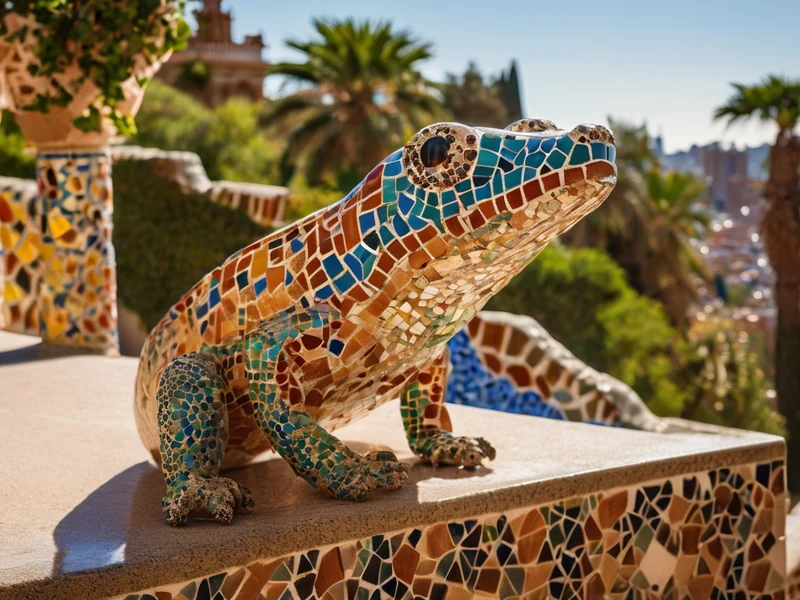
Gaudí's mosaic fairytale above the city. Best views of Barcelona and the famous salamander.
Park Güell is another Gaudí masterpiece: the undulating mosaic bench, gingerbread pavilions and the famous dragon salamander on the steps. The ticketed Monumental Zone costs €10; the free zones of the park are open for strolling. Tickets are strictly timed; book in advance. Go at 08:00 or after 18:00 — midday brings crowds and heat. The upper terrace offers the best panorama of Barcelona and the sea. Reach it easily by metro to Lesseps plus 15 minutes uphill, or by bus.
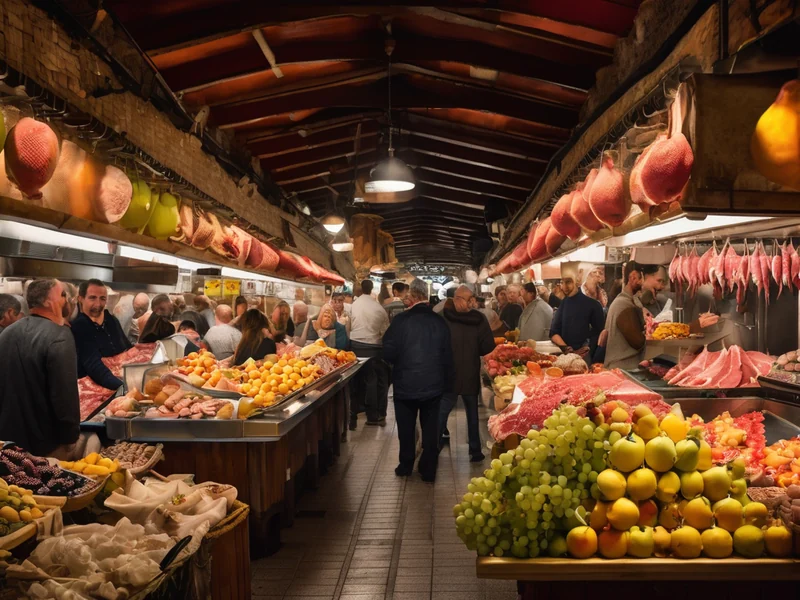
Legendary market on La Rambla. Jamón, fruit, fresh seafood and tapas bars right by the stalls.
Mercat de la Boqueria on La Rambla has been operating since 1840 — it is Barcelona's gastronomic heart. Jamón ibérico de bellota, fresh oysters, fruit juices for €1.50, seafood counters. The best tapas bars are inside — El Quim de la Boqueria and Bar Pinotxo (close early, around 16:00). Arrive at opening at 08:00 without the cruise-ship crowds. Tip: don't buy at the first entrance from La Rambla — those are tourist prices; head deeper inside.
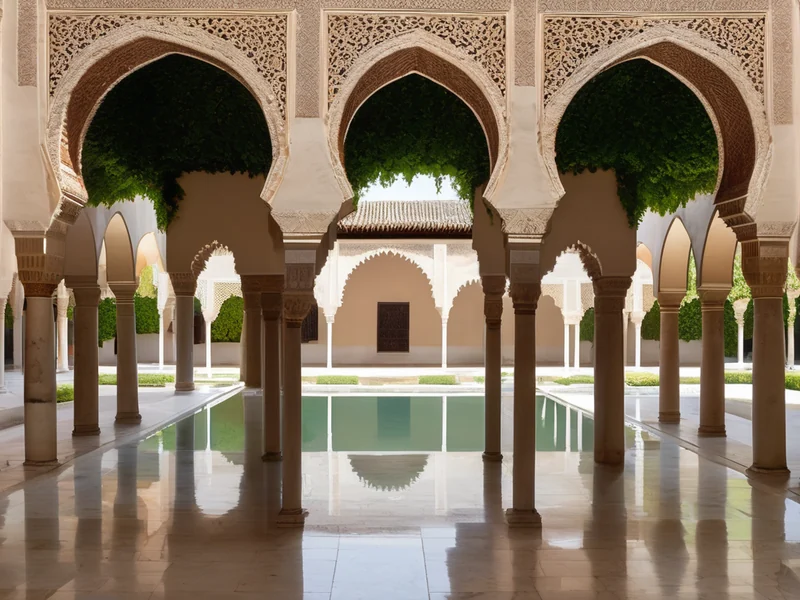
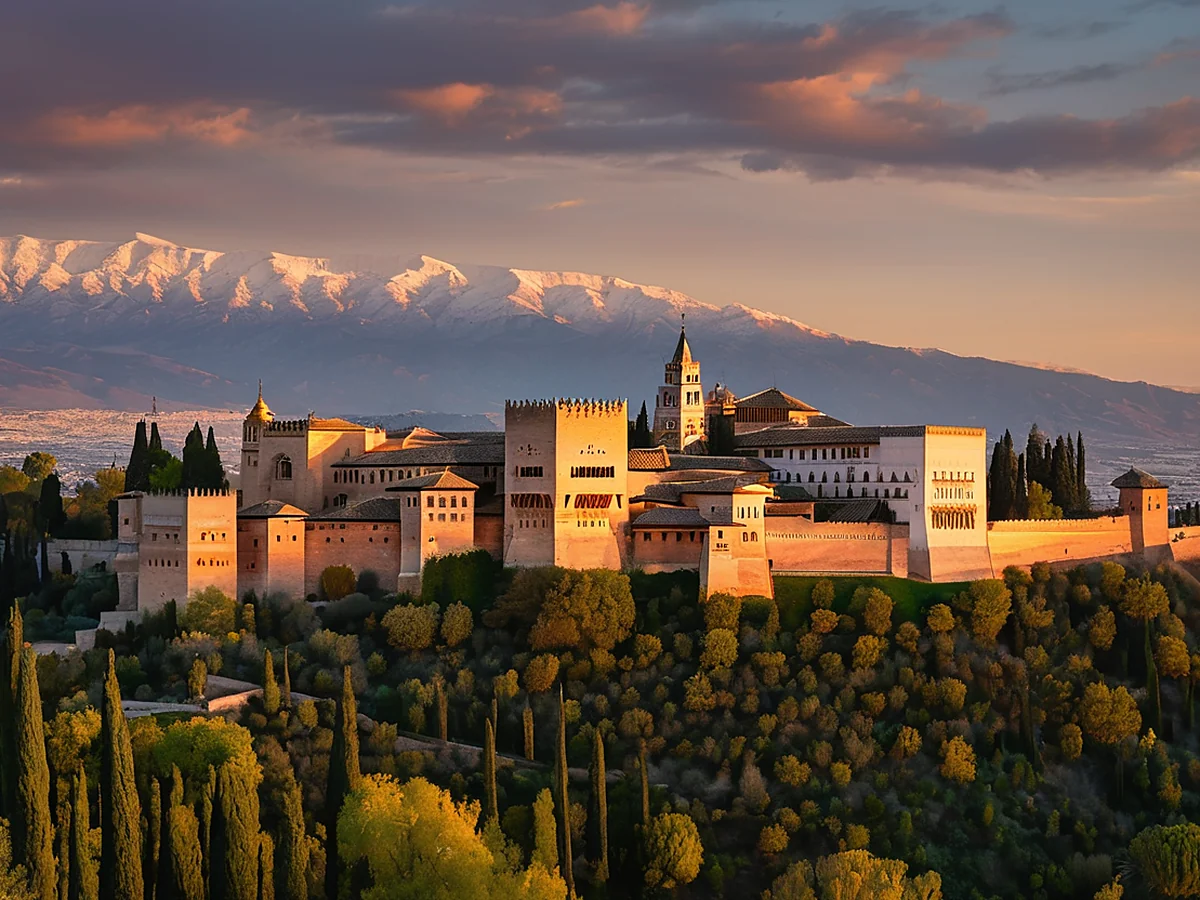
Moorish palace-fortress, UNESCO site. Tickets to the Nasrid Palaces sell out 2–3 months ahead.
The Alhambra is the pinnacle of Moorish architecture in Europe, a palace of 13th–15th-century emirs with the Generalife gardens. Full ticket €19, and this is Spain's scarcest ticket: entry to the Nasrid Palaces is strictly timed, tickets appear 2–3 months ahead and sell out instantly via alhambra-patronato.es. Without advance online booking, entry is almost impossible. Allow 3–4 hours. Evening sessions with illumination are a separate magic. From Granada's centre — 20 minutes on foot uphill or minibus C30.
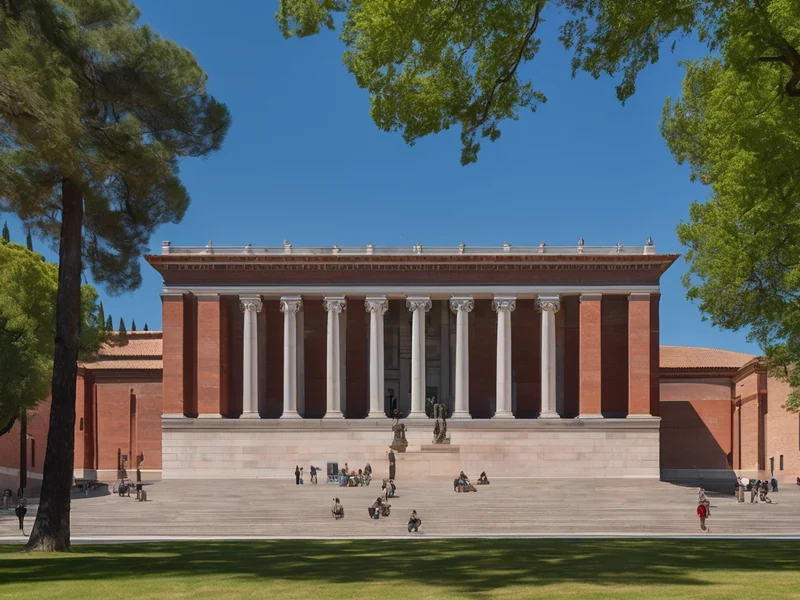
One of the world's finest museums in Madrid. Velázquez, Goya, Bosch — two hours for the highlights.
The Prado is Spain's national gallery and one of the planet's greatest art museums: Velázquez's 'Las Meninas', Goya's 'Black Paintings', Bosch's 'Garden of Earthly Delights'. Ticket €15, and daily in the final two hours (18:00–20:00, Sundays from 17:00) entry is free, but with queues. The museum is huge: pick up the '50 Masterpieces' plan at the entrance to see the highlights in 2 hours. Nearby — Thyssen Museum and Reina Sofía Centre with Picasso's 'Guernica'.
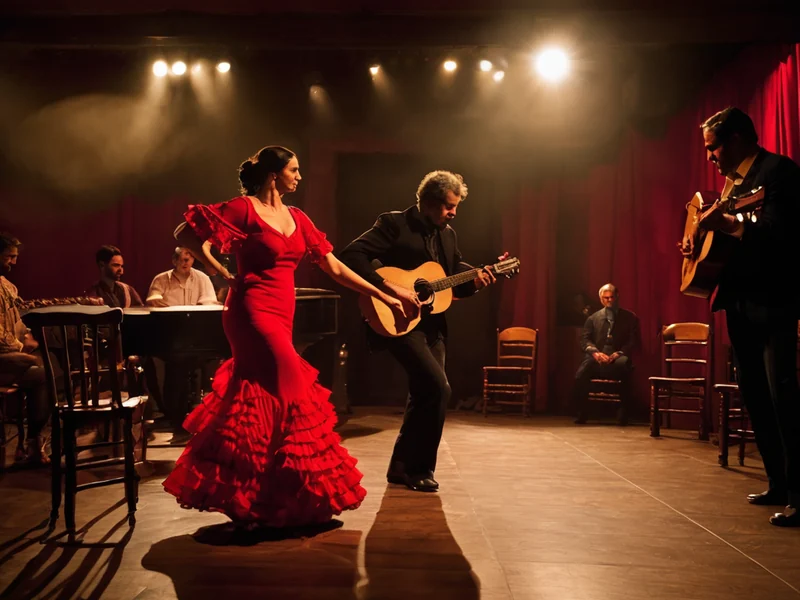
Birthplace of flamenco. Intimate tablao in the Triana quarter beats any tourist show.
Seville and the Triana quarter are the cradle of flamenco. Find the real art in intimate tablaos, not large tourist venues: Casa de la Memoria, La Casa del Flamenco or Museo del Baile Flamenco (from €22, around one hour). This is not just dance but a fusion of singing (cante), guitar and palmas — the energy transmits even without words. Shows usually at 19:00 and 21:00; book a couple of days ahead. Tip: sit in the front rows — facial expression and the stamp of heels (zapateado) matter.
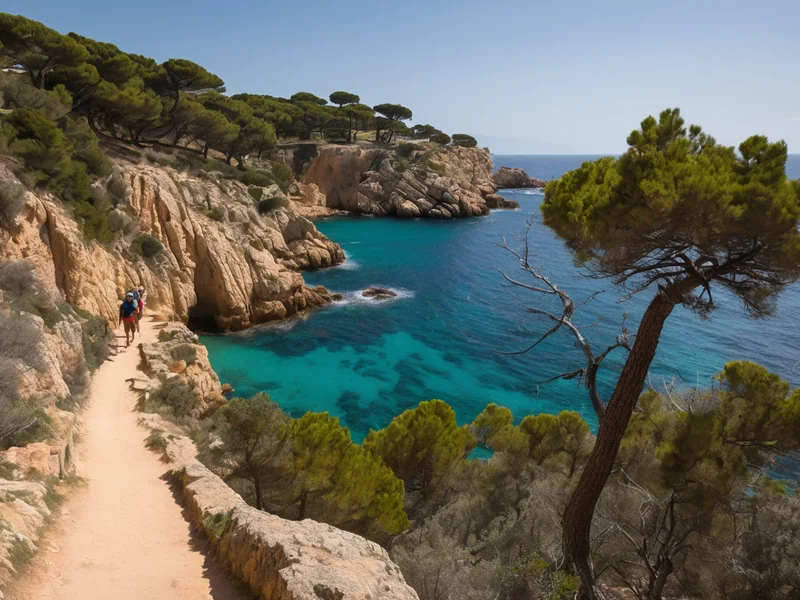
Turquoise calas between pine cliffs. The Camí de Ronda trail connects the finest.
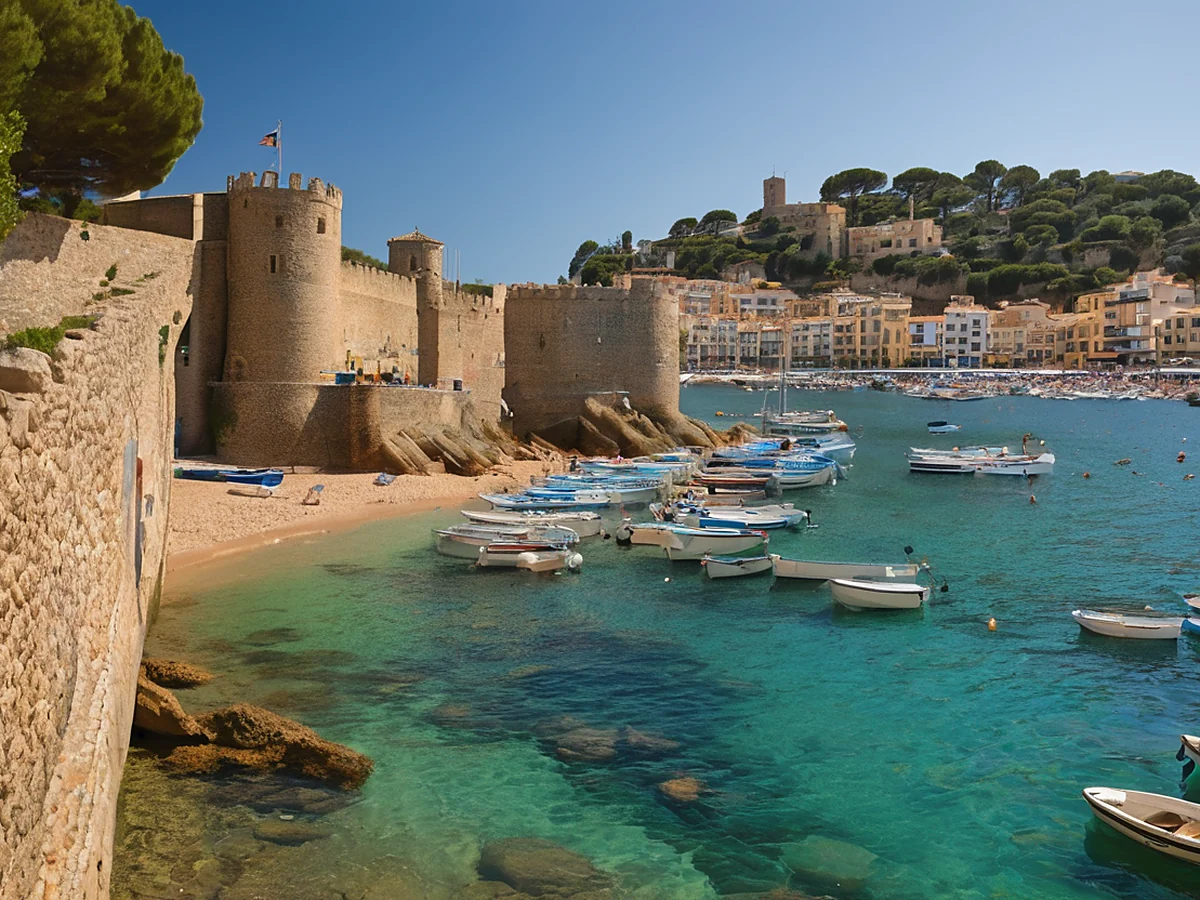
Costa Brava ('wild coast') is mainland Spain's best coastline: dozens of hidden calas with crystal-clear turquoise water. Most beautiful — Aiguablava, Sa Tuna, Cala Pola near Tossa de Mar. They are linked by the coastal trail Camí de Ronda — hiking routes along cliffs with sea views. Car hire is almost essential: public transport here is rare. Best time — June and September; August the coves are packed. Mask and fins come in handy — the water is crystal-clear.
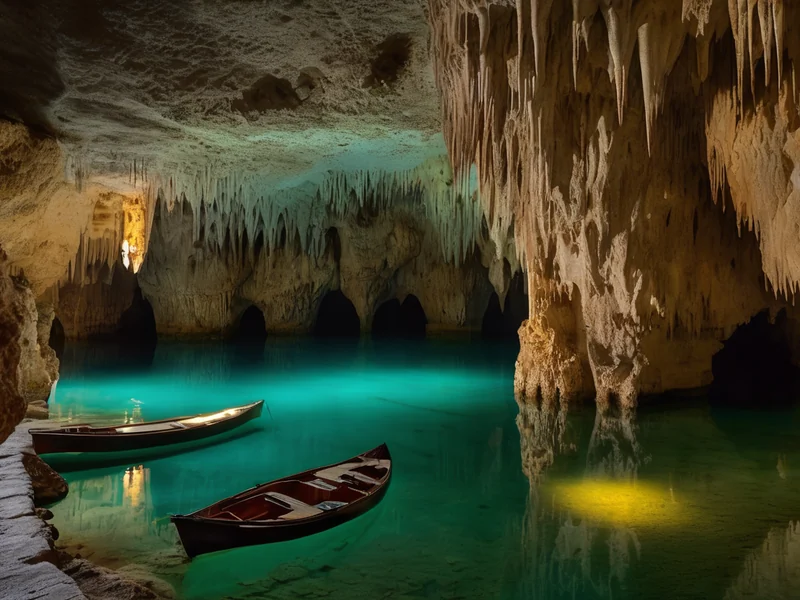
Underground lakes with a classical concert on boats. The island's main natural attraction.
Coves del Drac on Mallorca's east coast is a cave system with one of the world's largest underground lakes (Lake Martel, 115 m). Ticket €16, tour about an hour: descent to the lake, a live classical concert on illuminated boats in the darkness — guaranteed goosebumps, then a boat crossing. Book online at cuevasdeldrach.com, especially in summer. Nearby — the resort of Porto Cristo and coves for swimming. From Palma — 1 hour by car or tour bus.
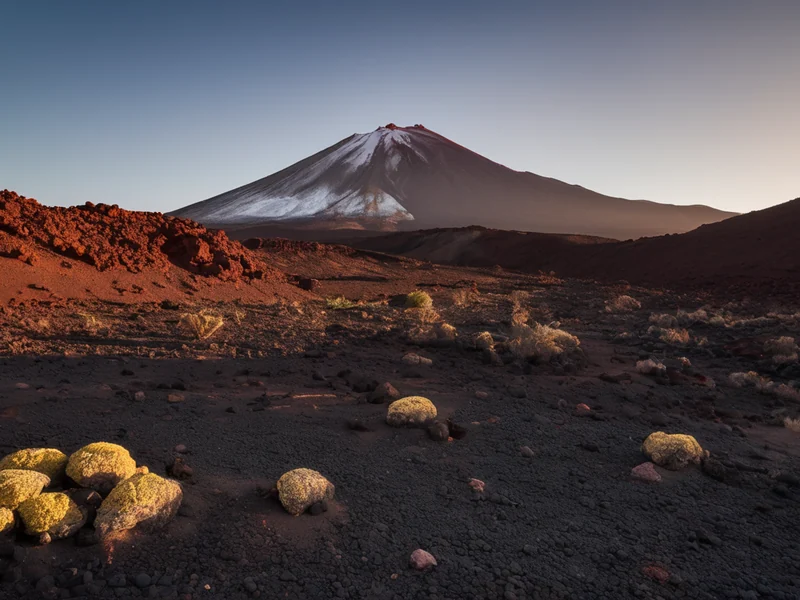
Spain's highest point, 3,718 m. Cable car to the summit and landscapes like Mars.
Teide is Spain's highest peak (3,718 m) and the world's third-highest island volcano, a UNESCO site. The cable car rises to 3,555 m in 8 minutes (€37 return); beyond that — Martian lava fields of the national park. For the final 200 m to the crater, a free permit is needed, arranged in advance online. The air is thin — don't ascend straight after arrival. At sunset and night this is one of the world's finest stargazing spots. Book cable-car tickets at volcanoteide.com.